Crypto Casino With Interac: How Canadians Actually Deposit (2026)
Interac e-Transfer does not talk to offshore casino cashiers. It talks to Canadian exchanges, and the exchange talks to the casino. Here is the full route, with the bank friction and the network traps marked in advance.
 Written with Brandon Scotch, founder of OhCryptoBullmarket, trading crypto since 2016
Short answer
Almost no crypto casino accepts Interac e-Transfer directly. The path Canadians use has two legs: e-Transfer CAD into a FINTRAC-registered exchange such as Shakepay, Bitbuy, Newton or NDAX, buy a fast, cheap coin like Litecoin, then send it to the casino's deposit address. First run takes maybe half an hour; after that, minutes.
The slowest part of my first exchange-to-casino transfer was not the blockchain. It was me, hunched over two open tabs at midnight, triple-checking that a Litecoin address starting with L matched the one I had pasted thirty seconds earlier. The coins landed before my coffee went cold. That is the honest shape of this process: the crypto leg is quick, the Canadian banking leg is where the friction lives, and one wrong network selection can vaporize a deposit. I have been moving money through Canadian exchanges since 2016, so the on-ramp below is ground I know firsthand. For the casino side, I lean on published terms and user reports, and I will say so when I do.
Can you deposit at a crypto casino with Interac?
Not directly, with rare processor-based exceptions. Interac e-Transfer is a domestic bank-to-bank rail, and offshore crypto casinos sit outside it. The reliable route is indirect: e-Transfer CAD to a Canadian exchange, convert to crypto, send the crypto to the casino cashier. Two legs, one of which you only set up once.
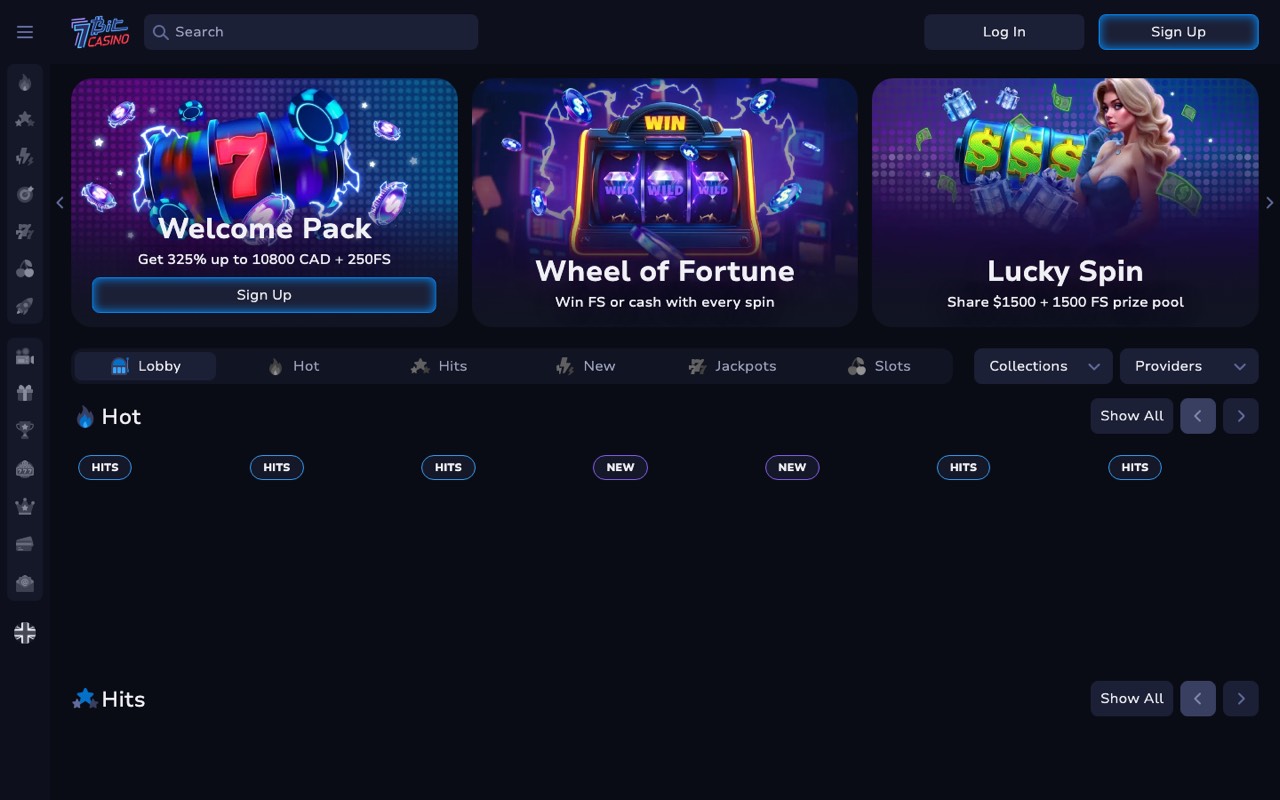
Some cashiers muddy this. 7Bit, for instance, displays an Interac logo on its payments page alongside Visa and Skrill, but whether that is a true Interac rail or a third-party processor buying crypto on your behalf is not verifiable from the page. Processor flows like that tend to carry worse exchange rates and extra identity checks than doing the conversion yourself. Treat any "Interac accepted" badge on an offshore casino with suspicion until you see the actual checkout, and assume the two-leg path is the real answer.
The two-leg path is not a consolation prize. Once your exchange account exists it is fast, it usually costs less than processor checkouts, and the coins it leaves you holding can route to any casino, not just one.
Why does your bank make this harder than it should be?
Every Big Five bank blocked credit-card crypto purchases in 2018 and the bans still stand in 2026. Debit and Interac e-Transfer to FINTRAC-registered exchanges generally work, but not uniformly: TD reportedly approves crypto-bound transfers case by case, and flagged or delayed transfers still show up in user reports at every bank.
TD moved first, halting all credit-card crypto purchases in February 2018 while it ran what it called a security review, as CBC reported at the time. The review never ended in a reversal. BMO followed within weeks and went further, blocking some Interac Online debit transactions to crypto merchants. CIBC cut off crypto merchants on its credit cards from April 6, 2018 and has confirmed the block publicly on X, while leaving debit alone.
In practice: forget credit cards entirely. Your working tools are Interac e-Transfer and debit, pointed at a FINTRAC-registered Canadian exchange. That registration is why banks treat Shakepay or Bitbuy differently from an unregistered offshore swap site, and per Netcoins' 2026 survey of bank policies, the Big Five now generally let e-Transfers through to registered platforms, with TD the case-by-case outlier. A stalled e-Transfer is usually a compliance hold, not a lost payment; a phone call clears it.
Which Canadian exchange should receive your e-Transfer?
Any of the four below works. All are Canadian platforms registered with FINTRAC as money services businesses, and all take Interac e-Transfer deposits in CAD. The real differentiator for casino use is coin selection: Shakepay only deals in BTC and ETH, so the fast cheap coins live on the other three.
I have accounts on all four. This table is my judgment from using them, not a fee sheet; per-trade costs shift often enough that you should check the platform's own pricing page the week you sign up.
| Exchange | Interac e-Transfer funding | Coin range for casino deposits | Brandon's read |
|---|---|---|---|
| Shakepay | Yes, CAD in and out | BTC and ETH only | Friendliest onboarding I have seen, but no LTC or SOL, so wrong tool for this specific job |
| Bitbuy | Yes, CAD in and out | Wide list including LTC, SOL and USDT | Solid all-rounder, spreads on the wider list run higher than the majors |
| Newton | Yes, CAD in and out | One of the longer coin lists among Canadian platforms | My usual pick for altcoin withdrawals; check that your coin's withdrawal network matches what the casino expects |
| NDAX | Yes, CAD in and out | Broad list including LTC, SOL and USDT | Order-book style trading, feels more like a proper exchange, slightly steeper learning curve |
Whichever you pick, expect a one-time identity verification at signup. That is FINTRAC compliance, it is normal, and it is also why this leg of the journey is visible to regulators, a point that matters for taxes and that I cover in the crypto gambling taxes guide.
Which coin should you buy for a casino deposit?
Litecoin is the default answer: cheap, quick, and accepted by nearly every crypto cashier. Solana is faster still where supported. USDT on the TRC-20 network adds price stability. Bitcoin works everywhere but is the slowest and priciest of the four to move.
Speed and fee levels here are qualitative and reflect my own transfers; exact fees float with network load.
| Coin | Typical transfer speed | Network fee level | Casino acceptance | Watch out for |
|---|---|---|---|---|
| LTC (Litecoin) | Minutes; blocks land about every 2.5 minutes | Very low | Nearly universal | Little; this is the boring, correct choice |
| SOL (Solana) | Seconds to confirm | Tiny | Growing but not universal | Confirm the cashier lists SOL before you buy it |
| USDT (TRC-20) | A few minutes | Low on TRC-20 | Very common | The network trap below; also a stablecoin, so no upside while it sits |
| BTC (Bitcoin) | Ten minutes to an hour or more | Spikes when the chain is busy | Universal | Fees can eat a meaningful slice of a small deposit |
Now the trap, because it is the one genuinely expensive mistake on this route. USDT exists on several networks, and the two you will see everywhere are TRC-20 (Tron) and ERC-20 (Ethereum). A casino deposit address is generated for one specific network. Send TRC-20 USDT to an ERC-20 address, or the reverse, and the coins land in a place neither you nor the cashier can reach; recovery ranges from a slow support ticket to never. Every cashier and every exchange withdrawal screen has a network selector. Make those two selectors match, character for character, before anything else. The same discipline applies to every coin: an LTC address gets LTC, nothing else.
If chasing the fastest possible cashout is what brought you here, the coin choice matters double on the way out, and I rank the quick payers in the instant withdrawal casinos guide.
What does the full deposit run look like, step by step?
Six steps: fund the exchange by e-Transfer, buy the coin, open the casino cashier, copy the deposit address for the right network, withdraw from the exchange to that address, wait for confirmations. First time through budget half an hour. Repeat runs take minutes because the account and verification already exist.
Here is the run in order. First, log into your exchange and request an Interac e-Transfer deposit; the platform gives you a recipient and you send from your online banking like any other e-Transfer. Second, once the CAD lands, buy your coin. Third, open the casino cashier, pick the same coin, and copy the deposit address it generates, checking the network label. Fourth, back on the exchange, withdraw the coin to that address, pasting rather than typing, and verify the first and last four characters. Fifth, approve the withdrawal through whatever two-factor step the exchange requires. Sixth, watch the casino balance; it credits after the network confirmations the cashier requires.
Timing, from my own transfers on the exchange side and from published cashier behaviour on the casino side:
| Step | Typical time | What can slow it |
|---|---|---|
| Interac e-Transfer to exchange | Minutes with autodeposit | Bank compliance hold, especially reported at TD |
| Buying the coin | Instant | Nothing meaningful |
| Exchange withdrawal processing | Minutes to an hour | First-ever withdrawal on a new account often gets a manual review |
| Network confirmation | Seconds (SOL) to an hour+ (BTC) | Chain congestion; LTC sits comfortably in the minutes range |
| Casino crediting | Usually within minutes of confirmation | Cashiers wanting extra confirmations for larger amounts |
Where you send it is the decision that outlasts this guide. If you want a cashier built for exactly this route, 7Bit takes C$20 minimum deposits with native CAD amounts, and you can open the 7Bit cashier to match its coin list against your exchange before you buy anything. It lists every coin in the table above, LTC and SOL included, and aggregated Reddit reports put its routine crypto payouts around eight minutes. Read the terms note in our review first, though: its own T&Cs technically restrict Canada even while its homepage markets a CAD bonus, a contradiction we flag rather than hide. For the wider field beyond one casino, the best crypto casino comparison table puts banking paths, KYC and payout terms side by side.
How do you get your winnings back to CAD?
Run the route in reverse: withdraw coins from the casino to your exchange's deposit address for that coin and network, sell for CAD, then move the CAD out by e-Transfer or bank transfer. The exchange leg is routine; the casino leg depends on the cashier's minimums and any KYC check it triggers.
The casino side comes first and varies most. At 7Bit, the published minimum withdrawal is C$40, with weekly and monthly caps of C$20,000 and C$80,000 in the terms, and community reports describe small crypto withdrawals paying out fast while larger ones can sit 32 to 48 hours in manual KYC review. Every casino has its own version of those numbers; check them before you win, not after.
Once the coins reach your exchange, sell into CAD and withdraw. E-Transfers out behave like the deposits did, same rails, same occasional compliance pause, and keeping your exchange history handy answers any source-of-funds question in one email. One last thing: the sell is a taxable disposition if the coins gained value while you held them. The win may be tax-free, the gain on the coins is not, and the taxes guide walks through exactly where that line sits.
Frequently asked questions
Can I send an Interac e-Transfer straight to a crypto casino?
No. Interac e-Transfer moves money between Canadian bank accounts, and offshore crypto casinos are not part of that network. Where a casino shows an Interac logo, it usually points to a third-party processor converting your CAD to crypto at its own rate. Funding a Canadian exchange yourself is cheaper and keeps you in control.
Which coin is best for casino deposits from Canada?
Litecoin, for most people. It is accepted at nearly every crypto cashier, confirms in minutes, and network fees are very low. Solana is even faster where the cashier supports it, and TRC-20 USDT holds a stable dollar value, provided you match the network on both sides of the transfer exactly.
Will my bank block an e-Transfer to a crypto exchange?
Usually not, if the exchange is a FINTRAC-registered Canadian platform like Shakepay, Bitbuy, Newton or NDAX. Credit cards are a different story: all Big Five banks have blocked credit-card crypto purchases since 2018. TD is reported to approve crypto-bound e-Transfers case by case, so a hold there means a phone call, not a lost payment.
What happens if I send USDT on the wrong network?
The coins go to an address that exists on a different chain than the one the recipient monitors, and in most cases neither you nor the casino can retrieve them. Always match the network selector on the exchange withdrawal screen to the network the casino deposit address was generated for, TRC-20 to TRC-20, ERC-20 to ERC-20, before confirming.
You need to be 19 or older to gamble in most of Canada, 18 in Alberta, Manitoba and Quebec. The casinos this route leads to are offshore: no provincial regulator stands behind them, no Ontario-style player protections apply, and disputes are between you and the operator. Set limits before you deposit, and if play stops being fun, help is free and confidential at our responsible gambling page.